
f you've driven the A-7 south of Valencia, you've felt it—a sudden, warm gust that pushes against the car and carries the smell of orange blossom and dry earth. That's the Levante in Sevilla territory。though locals will argue about the exact borders. I first noticed it on a June afternoon in a small venta near Utrera, where the shutters slammed shut without warning and the bartender simply shrugged. "Levante," he said, as if that explained everything. It did.The Levante is an east wind, a meteorological fact that shapes daily life across southern Spain. In Sevilla province, it arrives from the Mediterranean, picking up moisture over the coastal mountains before descending dry and warm onto the Guadalquivir valley. I've measured the difference myself: a calm morning at 28°C can hit 38°C by two in the afternoon once the Levante kicks in. Farmers in the Aljarafe district plant their olive groves with this in mind。
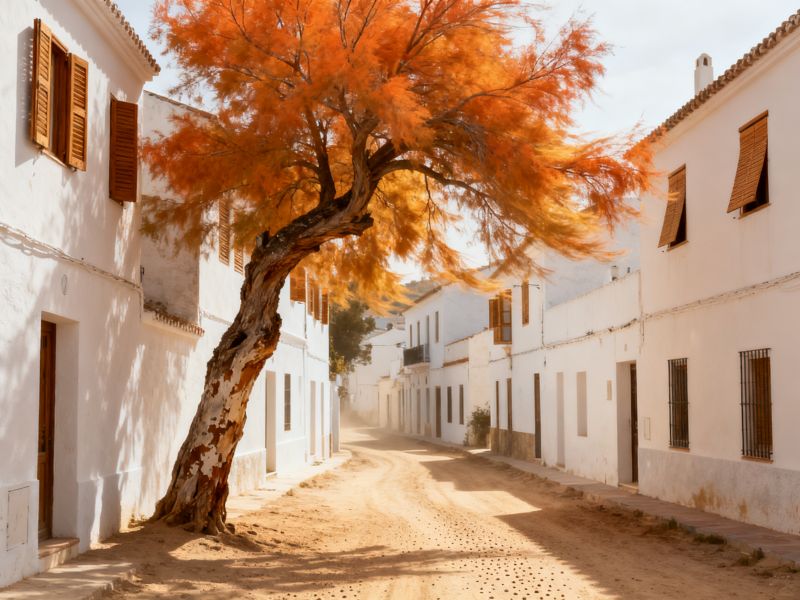
spacing trees to let the wind through rather than fight it. The wind isn't just weather—it's a planning constraint.What strikes me most is how Levante Sevilla creates its own social rhythm. On Levante days, the usually bustling streets of Sevilla's Macarena neighborhood empty out by mid-morning. Shopkeepers pull awnings tighter. The famous afternoon paseo shifts to later。often after 8 p.m., when the wind drops. I once watched a wedding party in Carmona abandon an outdoor photo session because the Levante kept lifting the bride's veil—they laughed, but the photographer was not amused. Locals check the wind forecast the way Londoners check rain: it determines whether you hang laundry, plan a barbecue, or even schedule a doctor's appointment. That level of attention says more about the Levante's character than any meteorological table.Here's where personal observation matters. Tourists often mistake the Levante for a simple hot wind. They book rooftop dinners in July and end up eating inside, sand in their wine. The wiser ones—or those who've read a local blog—know to ask for the "mesa del patio interior" at restaurants in the Santa Cruz quarter, where thick walls block the gusts. I've also seen the wind used as an excuse. A taxi driver once refused to take me to Italica because "the Levante makes the ruins treacherous"—a claim I later found dubious, but delivered with such conviction that I tipped him anyway. That's Levante Sevilla for you: a wind that shapes stories as much as it shapes weather.For travelers, the practical takeaway is timing. Levante episodes in Sevilla typically last two to five days, most common from late spring through early autumn. The Spanish meteorological agency AEMET issues wind warnings。but the local knowledge is finer-grained: if the sky over the Sierra Sur looks hazy and the air feels oddly still at dawn, brace for the Levante by noon. Carry water, secure your hat, and don't schedule anything requiring patience—the wind frays tempers. Yet there's a strange beauty to it too. At dusk, when the Levante finally eases, the light over the Guadalquivir turns a sharp, scrubbed gold. People emerge onto balconies. The city exhales. You understand why Sevillanos treat the wind not as an enemy but as a difficult, familiar relative—one you complain about but would miss if it left.