
Ask a Parisian about Landes and you might get a shrug. Ask anyone who has driven through the flat pine forests of southwestern France。and you'll hear about resin-scented air, endless cycling paths, and villages where the bakery closes at noon sharp. Landes is not a headline-grabbing region. It doesn't have the châteaux of the Loire or the lavender of Provence. What it has is a stubborn, unglamorous authenticity that has quietly become one of France's most interesting rural success stories.The department's economy once revolved around pine resin and sheep grazing on marshland. My grandfather, who worked a small farm near Mont-de-Marsan in the 1960s, used to say that Landes was 'a place where the land fought back.' The sandy soil, the humidity, the isolation—none of it invited easy farming. Yet that same difficulty forged a culture of self-reliance. Today, that grit shows up in unexpected ways. I met a young couple last spring who left Bordeaux to open a micro-brewery in a converted barn near Roquefort. They source barley from a neighbor and sell growlers to cyclists on the Vélodyssée route. 'We didn't come here for a lifestyle brand。' the woman told me. 'We came because the land doesn't pretend to be anything else.' That sentiment is pure Landes.
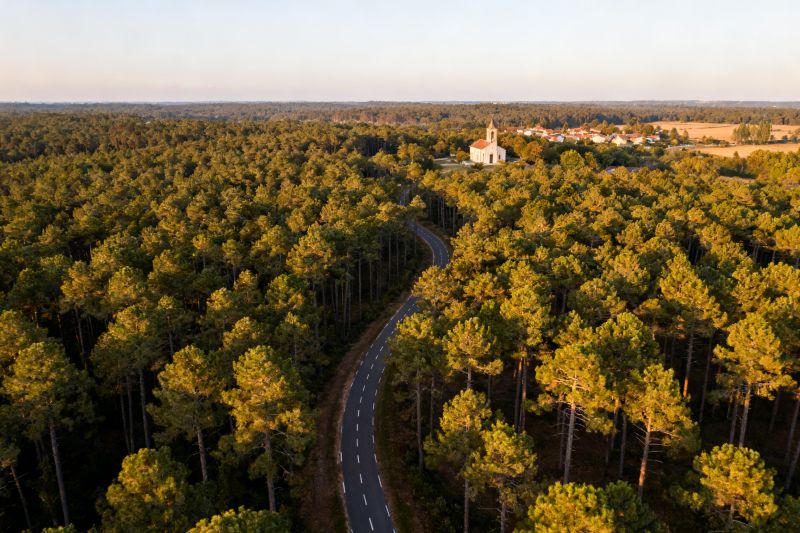
Landes has also become a testing ground for how rural France adapts to climate change. The pine forest—Europe's largest man-made woodland—is both a carbon sink and a fire risk. Local authorities have started thinning corridors and promoting cork oak plantations, a nod to the region's Portuguese influences. I watched a controlled burn last autumn near Sabres. The fire chief, a woman in her fifties with a cigarette permanently behind her ear (ironic, yes), explained that they're reviving an old practice: grazing sheep to keep underbrush low. 'The forest needs the flock。' she said. 'Without them, we're just waiting for the next spark.' That kind of pragmatic, low-tech solution runs deep in Landes. It's not glamorous, but it works.Tourism here is a double-edged sword. The coastal strip around Mimizan and Biscarrosse draws surfers and campers each summer, but the interior remains blissfully empty. I spent a week in July cycling between small markets and found that the biggest crowd was at a village fête where a local farmer was selling melons from the back of a tractor. No one was in a hurry. The pace suits Landes. It's a place where you can still get lost on a forest track for an hour and not see a single car. That's not a marketing pitch—it's just Tuesday.Landes won't ever top a list of must-see destinations. And that's precisely its charm. The department's future depends on keeping what makes it work: small-scale farming, controlled tourism, and a stubborn refusal to over-polish. I left with a jar of pine honey and a sunburn. Both felt earned.